
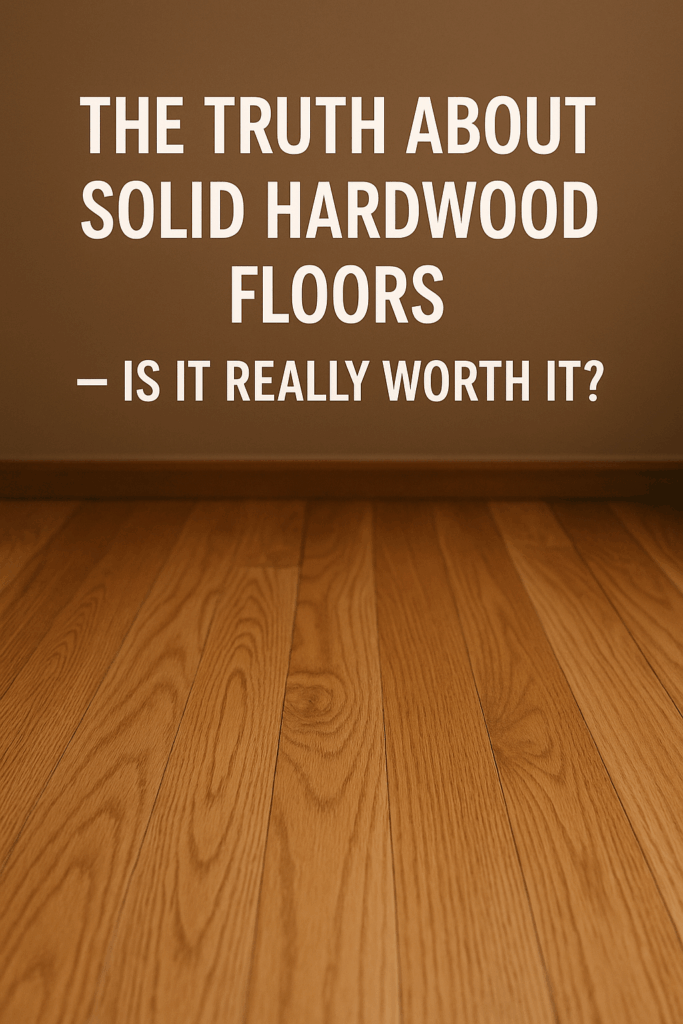
Solid hardwood flooring is more than just a luxurious design choice — it’s a time-tested building material that has withstood centuries of use, trend changes, and even technological advancements in construction. But with all its charm and durability, it also comes with specific requirements and limitations that every homeowner should understand before investing.
If you’re considering new flooring for your home, few options can compete with the durability, beauty, and prestige of solid hardwood flooring. It’s a material that has been trusted for centuries—and for good reason. From colonial homes to luxury estates, hardwood has stood the test of time.
But before you commit to this premium flooring choice, there are a few important things you need to know. In this article, we’ll walk you through the history, benefits, limitations, installation tips, and one critical decision: whether to choose prefinished or unfinished hardwood.
🕰 A Short History of Hardwood Floors in America
Hardwood floors were first introduced in North America in the 1600s, often made of hand-cut planks from local trees such as oak, maple, or pine. These early floors were rough, uneven, and installed directly over structural joists with handmade nails.
By the 19th century, the industrial revolution brought machines that could produce tongue-and-groove boards, giving rise to smoother, more stable floors. By the 1940s–60s, hardwood was the gold standard in American homes — until carpeting and vinyl became more popular in the 1970s.
Today, solid hardwood flooring is making a strong comeback — not just for its aesthetics, but for its sustainability, longevity, and value.
🌟 What Is Solid Hardwood Flooring?
Solid hardwood flooring is milled from a single piece of hardwood, typically ¾ inch thick. Unlike engineered flooring, which consists of layered materials, solid wood offers full-depth durability and can be sanded and refinished multiple times over its lifetime.
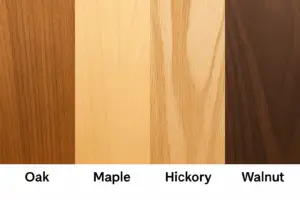
Most common hardwood species include:
- Oak (red or white) – highly durable and traditional
- Maple – smooth grain and modern look
- Hickory – rustic character and high hardness
- Walnut – rich, dark tone with natural elegance
✅ Pros of Solid Hardwood Flooring
Longevity
Properly maintained, solid hardwood floors can last 80 to 100+ years. That’s more than 3 generations of homeowners.
Refinishability
Unlike engineered flooring, solid wood can be sanded down and refinished 5 to 7 times, allowing for color changes or refreshing worn surfaces.
Increased Home Value
Realtors consistently report that homes with hardwood floors sell faster and often for 5–10% more than those without.
Natural and Non-Toxic
Solid wood contains no synthetic glues or plastics. For those sensitive to chemicals or pursuing eco-friendly renovations, it’s one of the cleanest materials available.
⚠️ Cons and Considerations
Despite its beauty and durability, solid hardwood flooring is not ideal for every situation. Here’s why:
Moisture Sensitivity
Solid hardwood expands and contracts with humidity and temperature changes. That means it should never be installed below grade (like in basements) or in moisture-prone areas like bathrooms.
Requires Acclimation
Before installation, the wood must sit in your home for 3–7 days to acclimate to indoor humidity. Skipping this step often leads to warping and gaps.
Subfloor Must Be Perfect
Because solid wood is unforgiving, the subfloor must be level, dry, and structurally sound. At Evergreen, we always inspect and correct subfloors before any hardwood installation.
Cost
Solid hardwood is more expensive upfront — both in materials and labor — compared to laminate or even some engineered options. But it pays off long-term.
📍 Where to Install Solid Hardwood — and Where to Avoid It
✅ Recommended Areas:
- Living rooms
- Dining rooms
- Bedrooms
- Hallways
- Above-grade levels with climate control
❌ Avoid Installing In:
- Bathrooms
- Laundry rooms
- Basements
- Over radiant heat (unless certified)
- Anywhere with high humidity or frequent temperature swings
🛠 Installation Method Matters
At Evergreen Flooring and Remodeling, we only install solid hardwood flooring using methods approved for longevity:
- Nail-down installation over wood subfloors
- Glue-down (for certain species and widths)
- Moisture and humidity testing before installation
- Full subfloor prep with leveling and gap inspection
- Use of expansion gaps and proper underlayment when needed
📊 Real Data: Is It Worth the Investment?
According to the National Association of Realtors:
- 54% of buyers are willing to pay more for hardwood floors
- 90% of homeowners report higher satisfaction after installing solid hardwood
- Homes with hardwood floors spend less time on the market
🔹 Prefinished vs. Unfinished Hardwood Flooring
When choosing solid hardwood flooring, one key decision is whether to go with prefinished or unfinished flooring. Each has its own set of advantages and drawbacks:
Prefinished Hardwood Flooring
Prefinished boards are factory-finished with stain, sealant, and protective coating. They arrive ready to install.
Advantages:
- Faster installation
- Less dust and odor in your home
- Strong, consistent factory finish
- Better for time-sensitive or occupied remodels
Drawbacks:
- Visible bevels or grooves between boards
- Limited color/stain customization
Unfinished Hardwood Flooring
Unfinished boards are installed raw and then sanded, stained, and sealed on-site.
Advantages:
- Seamless, groove-free appearance
- Fully customizable color and sheen
- Ideal for matching existing floors
Drawbacks:
- Longer installation timeline
- More labor-intensive and messier
- Requires more skill and drying time
Choosing Between the Two:
If you need a fast and clean install, go with prefinished. If you’re aiming for a perfect match, higher-end look, or seamless finish, unfinished may be worth the time and effort.
🌟 Final Thoughts: Should You Choose Solid Hardwood?
If you’re looking for something that’s:
- Beautiful and authentic
- Long-lasting across generations
- Eco-conscious and safe
- Easily restorable in the future
…then solid hardwood flooring is the right choice — if installed correctly.
👷 Trust Evergreen Flooring and Remodeling
We bring nearly 20 years of flooring and remodeling experience to every project. We understand the importance of:
- Subfloor preparation
- Moisture control
- Acclimation
- Expert craftsmanship
📞 Call us today at 425-286-5231 for a free consultation.
🌐 www.efrseattle.com
📸 Follow our work: @evergreenfloor
🔨 Licensed Contractor: EVERGFL855JZ